
Posted in intermittent-fasting

Prolonged Fasting – the 24 Hour Fast

Prolonged/Extended Fasting varies, but typically it will span a period of 24 hours to a week.  If you are doing the 24 hours fast, you should allow a day or two of rest between the Prolonged Fasting periods. 

During the fasting time, the body transitions from using glucose as a primary energy source to the state of ketosis, the burning of stored fats.

One of the key benefits of Prolonged Fasting is the promotion of autophagy.  This is the body’s process of removing damaged cells and generating new ones.  It is also believed to stimulate stem cell production The process is essential for maintaining cellular health and preventing diseases. The increase in cellular cleanup activities also is beneficial for anti-aging. 

Other benefits include a reduction in inflammation, improved cardiovascular health, lower risk of insulin resistance, better blood sugar control, improve cholesterol and triglycerides levels, fat loss and weight loss.

What to eat Before and After the 24-Hour Fast:

To promote the ketosis and stem cell health, you should choose nourishing, nutrient-dense whole foods.   Fatty meats, bone broth, organ meats, full-fat cheese, and low-carb vegetables.  

Doing a 24 hour Fast:

A 24 hour fast typically will begin at sundown on the first day and will end at the same time the following day.  However, you are free to choose your start time to fit your own schedule.     It is important to note that linking your fasting period with circadian rhythms will work well with the metabolic processes in your body that are governed by natural light and dark cycles.   This is the reason most will choose the Sundown start time.

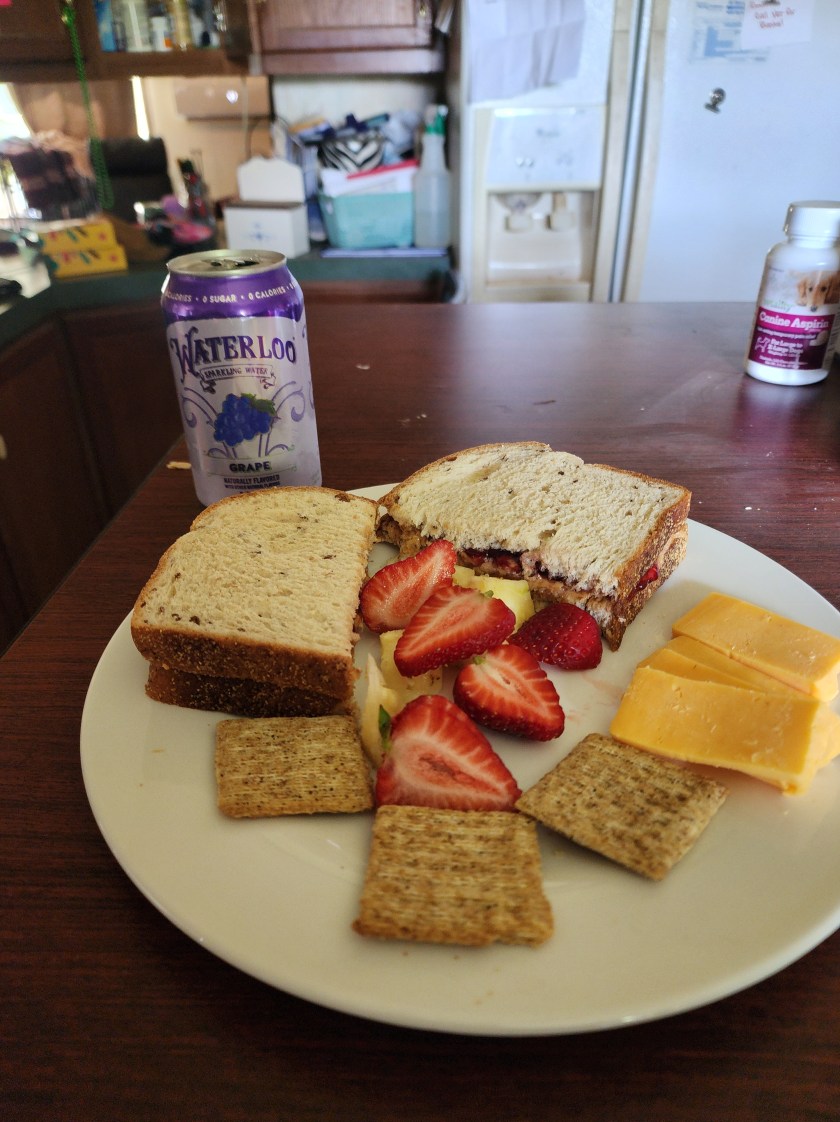
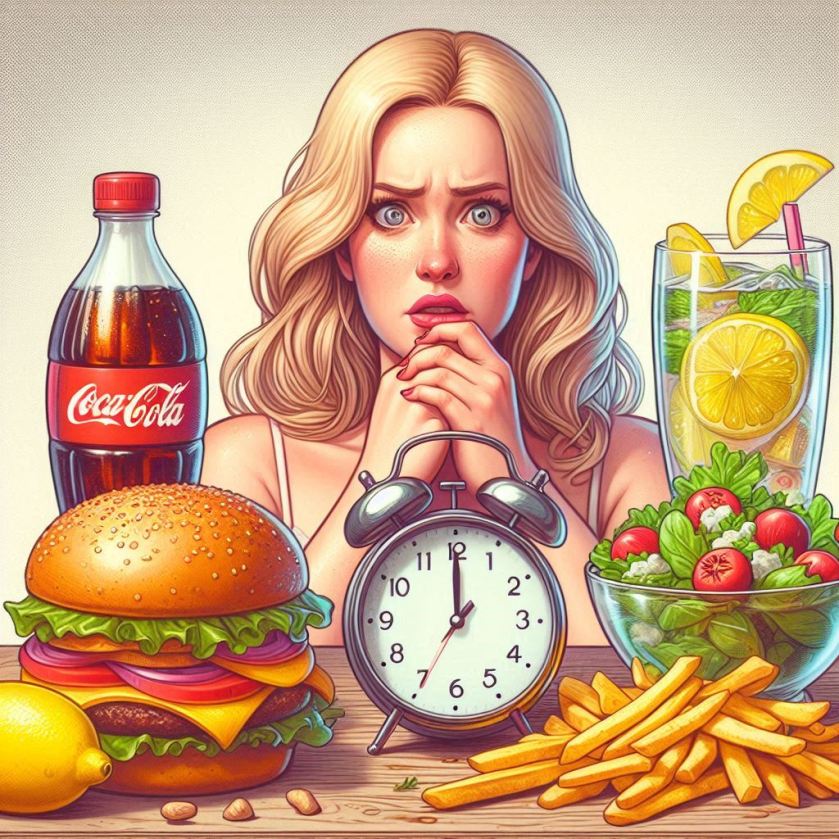
Obviously, you cannot eat food, candy, etc. while on the fast, but you can have beverages.  The choices are limited to water, mineral water, seltzer water, black coffee, or tea.    NO SODA

As an Intermittent Faster, you are familiar with at the 16–18-hour mark being the time that you would “break the fast”.  This will be your rough patch, but keeping physically active and busy will help you overcome the hump.   

After restricting your calories for 12-36 hours your body begins breaking down fatty acids into energy molecules called ketones.   That’s what they are all talking about when they say “State of Ketosis”.   As you hit your 16-hour mark, your body activates a process of cellular repair called the autophagy.   Not only is autophagy taking away the damaged and old cells, but it is also removing infectious and toxic bacteria and viruses.     This is most likely the reason you are not willing to eat when you have a stomach virus, your body is forcing its only self-repair mode.

One response to “Prolonged Fasting – the 24 Hour Fast”

  1. aliyaanemily82 Avatar

    wow!! 77Getting Back on Track

    Liked by 1 person

Leave a comment

Posted in Food Stuff

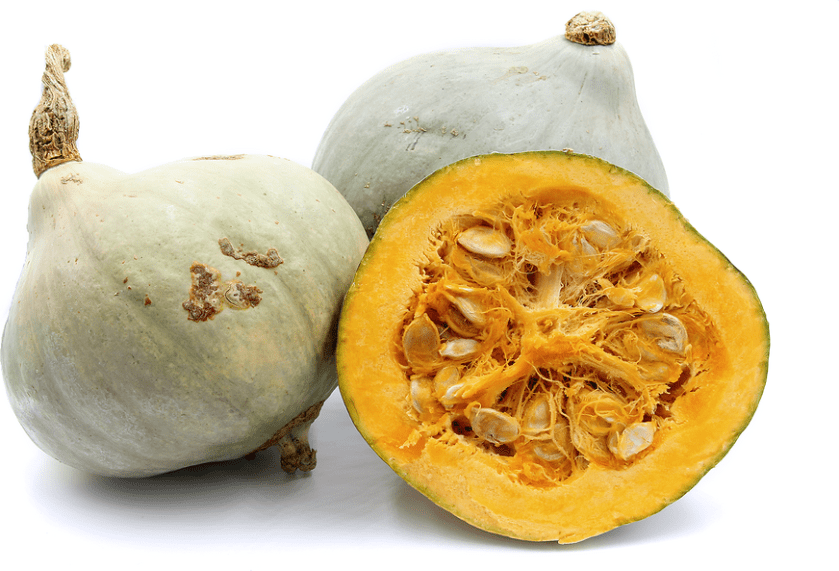
The Edible Squash

Its September!  Which means the Winter Squash is starting to become available. I have always been a mediocre fan of squash having had it served to me often in ways that just was not appealing.  My mother, however, made darn good Acorn squash every fall season and so I based all my experiences on her variation.

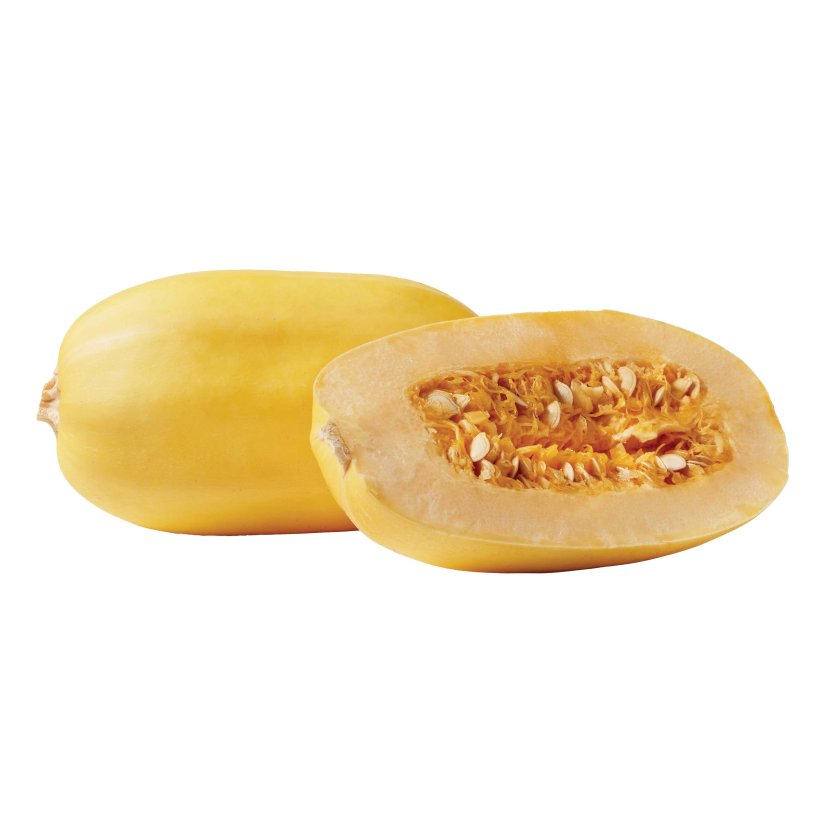
As an adult, I’ve learned to expand my palette and more variety has come into play.  Spaghetti squash and butternut squash now visit the table and this year I am setting a goal to try a few new varieties. 

The health benefits of the squash are awesome!  They are loaded with antioxidants and can play a role in reducing oxidative stress.  Loaded with vitamin C and beta-carotene, it has the benefit of improved eye health.  Foods rich in these minerals may help slow the progression of macular degeneration a reduce chances of related vision loss. 

Vitamin C can also help prevent cataracts and it is important for growing and repairing cell tissue.

High in fiber, squash aids in digestion. Additionally, it is a good source of magnesium, calcium, iron, Vitamin A and Vitamin B6. 

As with anything, too much of a good thing can be bad for you so its important to incorporate this into your diet occasionally but not for every meal 

Some quick ideas for squash:

Clean and roast the seeds for healthy snack time

Replace the flour pasta with Spaghetti Squash

Use Butternut or Acorn squash as ravioli filling

Blend butternut squash with milk, dates and cinnamon to make a smoothie

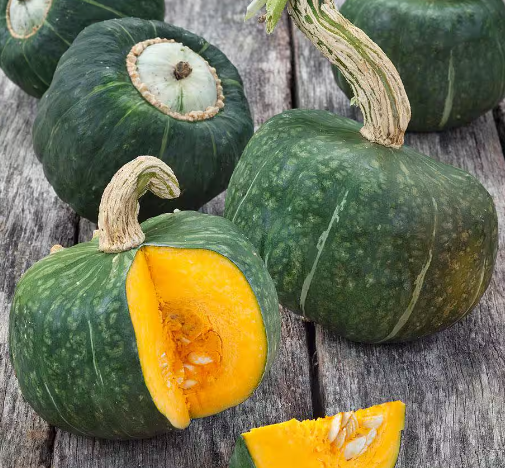
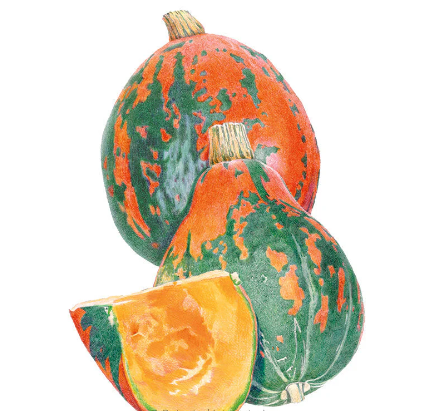
Use acorn or Red Kuri squash to create a filling replacing for pumpkin pie

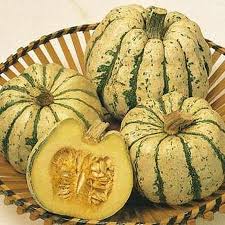
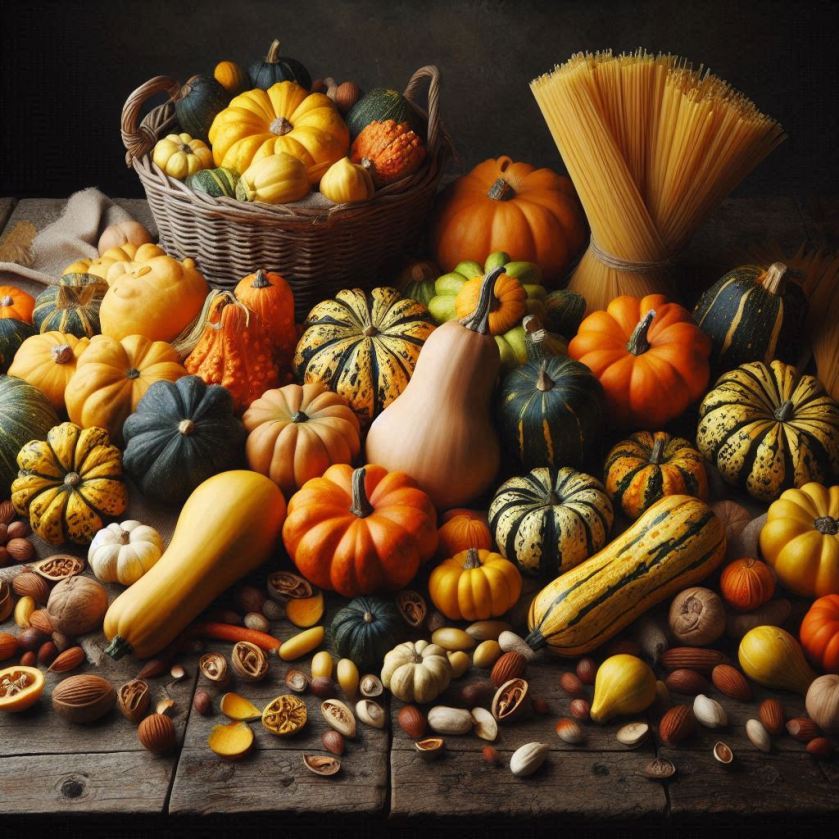
Enjoy this short list of Winter Squash that should look familiar to you :

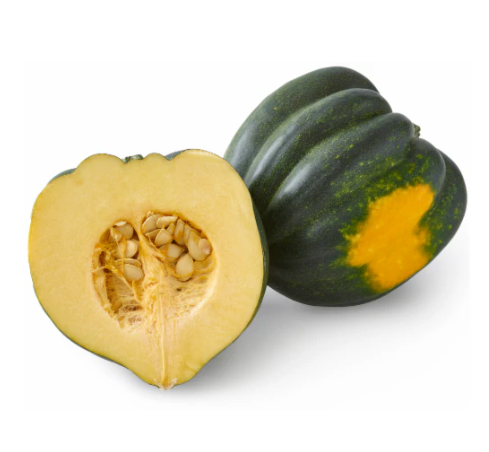
Acorn Squash

Acorn Squash

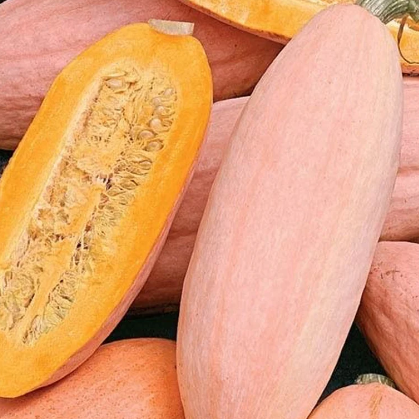
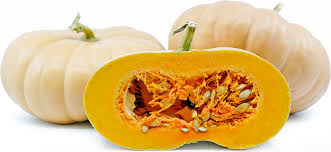
Banana Squash

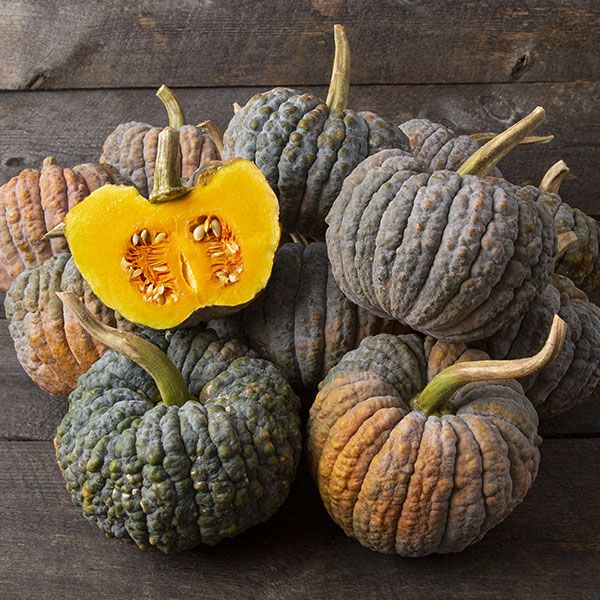
Black Futsu Squash

Boston Morrow Squash

Buttercup Squash

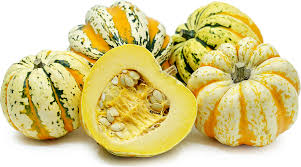
Carnival Squash

Butternut Squash

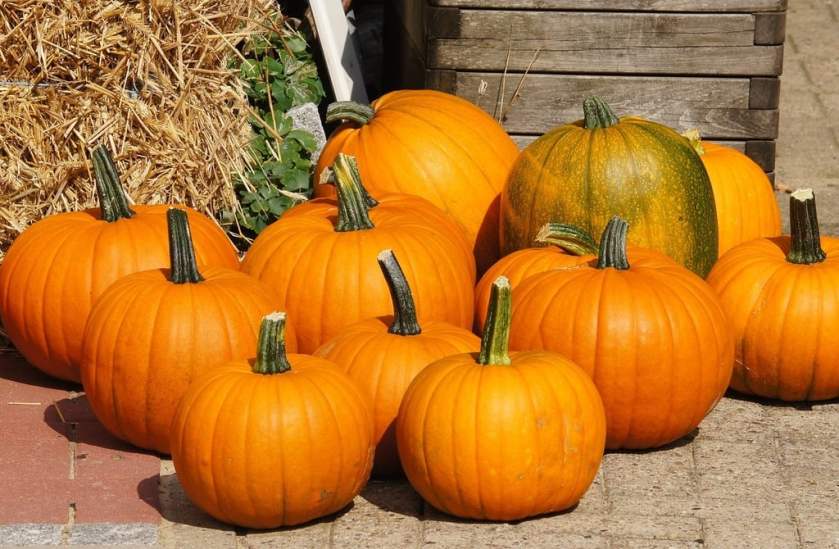
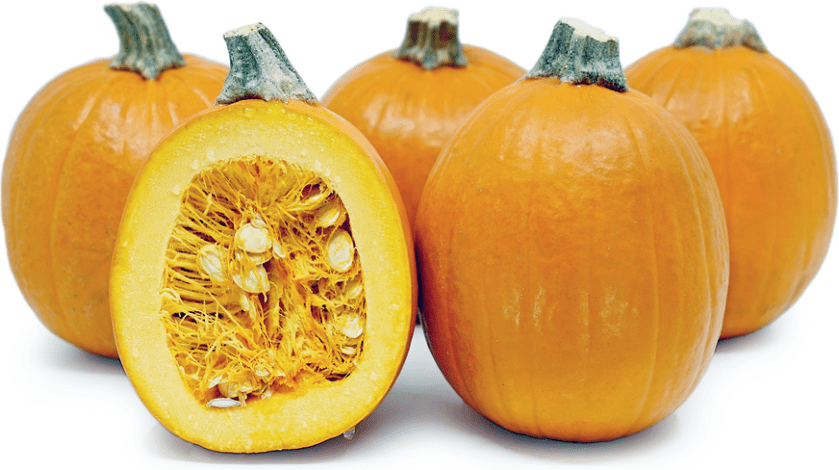
Field Pumpkin

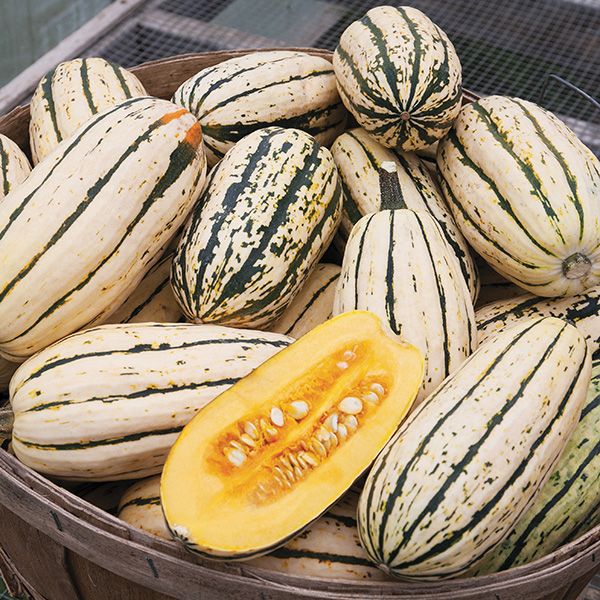
Delicata Squash

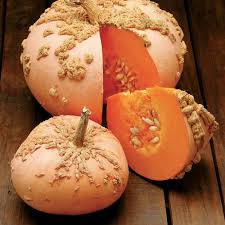
Galeux d’Eysines Squash

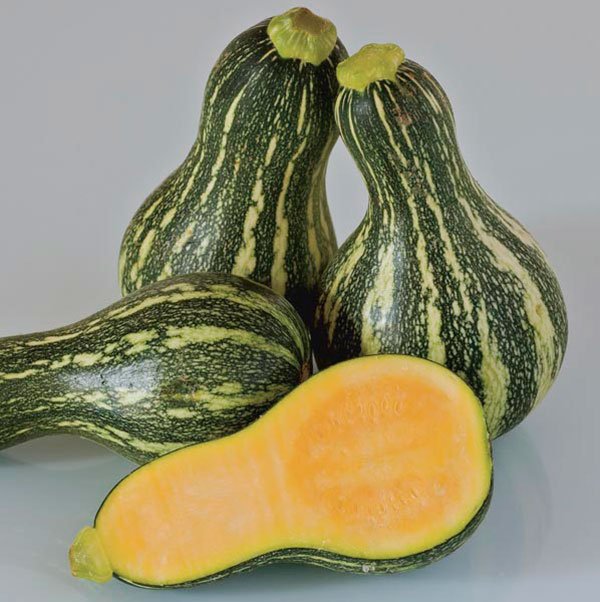
Green Striped Cushaw Squash

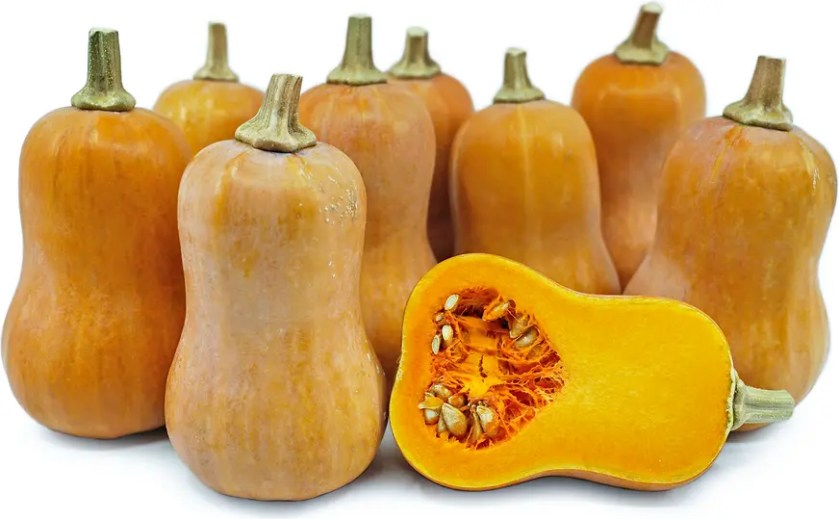
Honeynut Squash

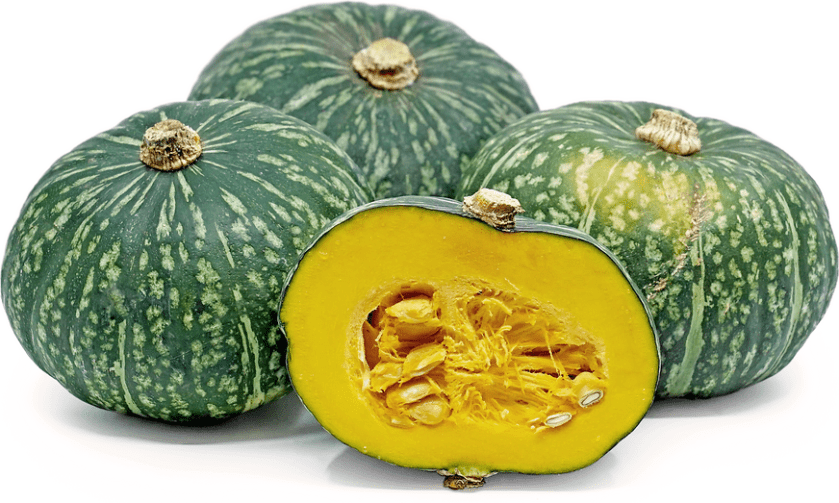
Kabocha Squash

Lakota Squash

Long Island Cheese Pumpkin

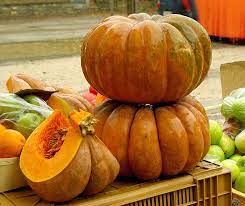
Musquee de Provence

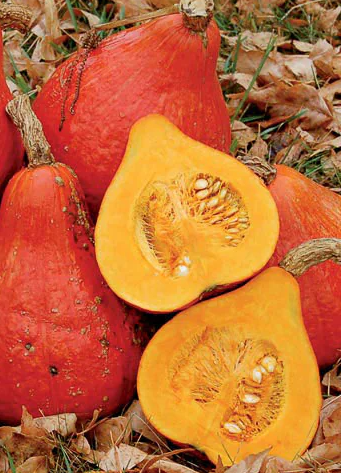
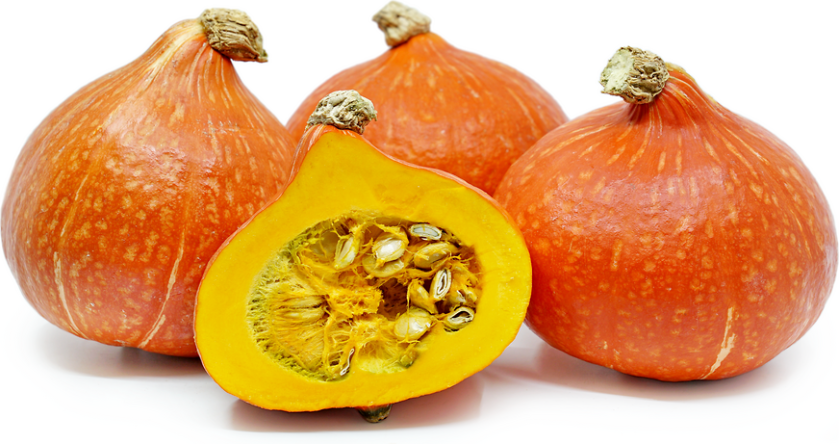
Red Kuri Squash

Spaghetti Squash

Sugar Pumpkin

Sweet Dumpling Squash

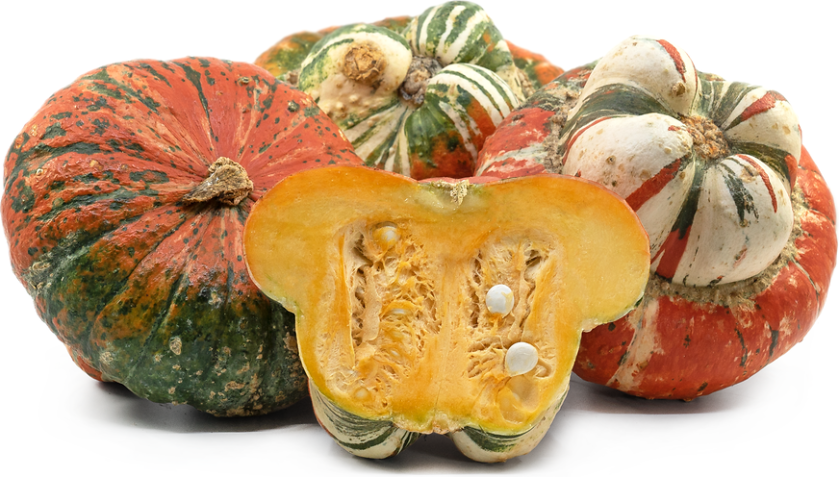
Turban Squash

Hubbard Squash

2 responses to “The Edible Squash”

Leave a comment

Posted in Emotional Well-Being

The Art of Fat Shaming

                 When I was a kid, our family physician described me as a “Meat and Potatoes” kind of girl, to my mother.  

As a teen, I had a guy tell me that if I did a few lines of cocaine, I could lose the weight and be pretty, and a classmate who often reference me as “elephant” as she passed me in the halls.

  As a young adult, I came out of the grocery store to find advertisements on the windshield of my car for a weight loss clinic and well-meaning friends, strangers and colleagues sharing unsolicited weight loss tips with me.

These are only a few examples of the fat-shaming I have personally experienced.   There are countless others, so many that it’s become more like a white noise in the background of my life.   I am not the first to be victimized by this type of “well-intended” advice that hovers on the precipice of bullying.    Fat-shaming has been around for decades.

Fat shaming is the practice of making a person feeling inferior, anxious, guilty or embarrassed about their body shape or size.   The thought process behind this act is the belief that it will inspire and motivate people to lose weight and live a healthier lifestyle.  When in fact, it does quite the opposite in most cases.   

There is no positive effect that comes out of such bullying and discrimination that hides in the form of fat shaming.   Often, it discourages action such as exercising or joining a weight-loss clinic in fear of judgement from others.   It makes the recipient feel bad about themselves and discourages them from being a part of the world around them because they have been targeted as being “not right”.  

Low self-esteem, anxiety, depression, eating disorders and suicide are all mental health issues that are put more at risk when the weight stigma is applied.    I wish I could tell you it was always outsiders doing this, but sadly it is not.  Family members, the people you are supposed to love and trust unconditionally, will sometimes have the strongest effect of anti-fat bias.   They are connected to you, so they don’t hold back or sugar-coat it as they would with a friend or a stranger.  Their words seem to hurt more.   There is one that is above all, your worse fat-shame bully. You.    The things you say about yourself to others, how you make fun of yourself or put yourself down.   All this negative commentary is the worst kind of Fat Shaming. 

The social stigma of obesity is a sort of silent fat shaming.   Instead of being spoken out loud for all to hear, its more implied through actions.   The weight stigma of an obese person being lazy, unintelligent, lack of willpower, unmotivated and incompetent, is present in many levels of employment.  This includes healthcare, education, politics and multiple media forms.   

An example of this silent bias is your Healthcare professionals.  It has been reported that if you have a larger body mass index (BMI) doctors tend to spend less time with you, give you less health education, seem less respectful, use harsh language to describe your body.    Fortunately, I have never experienced this.  Every doctor I have encountered has given me good sound advice and has not blamed my every health problem on my weight.    Nor have I been passed up for promotions (that I am aware of), and I have certainly never been let go from a job for my weight.  But it does happen to people, it’s not a story being made up.  

You cannot expect the world to change their opinion.  They will think what they want to think. You can make people aware of their bullying, “Fat-Shaming”,  even though it may be well-intended.   Call them out on the behavior, you are not less than a person because you are carrying some extra weight.   

You can learn to stop being your own bully.  Teach yourself to stop the negative self-talk.  You are not a joke; you shouldn’t be making jokes on your own behalf.   You should be shouting out your good qualities.   

  Stop pointing out everything you believe is wrong with yourself.   You can hear yourself talking, do you like hearing that?  No.   Start talking about the things you love, stop focusing on your body.  Your body is only a part of who you are as a person.

Learn to form a friendship with food rather than be in a hostage situation.  Food doesn’t own you.    If you want to lose weight, you need food to be on your side.   

Some things said to you will stay in your memory forever.   Like the examples I shared at the beginning of this piece.   Moments in time that meant nothing to the deliverer but impacted me for a lifetime.   I could let them define me or let them simply be a part of the story that created the woman I am today.    I still feel judged at times when I am out in public.  I don’t know if its really happening, after all most people are too absorbed in their own world to worry about what I’m doing.  I know my feelings are my own insecurities.   Those do not magically go away, but I have learned how to gracefully stop those who want to give me friendly “weight-loss” advice I haven’t asked for.  

“Oh, thank you so much!  Is that what you’re doing to lose weight too?”   This statement will shock the slender, fitter folks wanting to “help” and it will generally quiet them as well.

Here are a few articles you may find of interest :

Morbidly obese, perpetually hungry and unapologetically in love with myself (msn.com)

The Harmful Effects of Fat Shaming (healthline.com)

Effects of fat shaming on mental and physical health (medicalnewstoday.com)

Fat Phobia, Fat Shaming, Weight Bias: How to Respond (webmd.com)

Body Shaming: The Effects and How to Overcome it – HelpGuide.org

Leave a comment

Posted in Emotional Well-Being, Encouragement/Motivation

Our Fighting Team

                 In your quest for a healthier you, the word “Antioxidant” is going to pop up quite frequently.   What exactly is an antioxidant you may wonder.  They are your “battle” molecules as I like to call them.  Vitamin A, Vitamin C, and Vitamin E act well as antioxidants. Their purpose is to fight off harmful free radicals which basically are the “bad” molecules that cause something called oxidative stress.   These little enemy soldiers surround us in our day-to-day life in air pollution, car exhaust, cigarette smoke, and sunlight.   They are well known for putting us at risk for premature aging because they destroy the cells and tissues that make up our bodies.  They have also been linked to health conditions such as diabetes and cancer. 

                 Thankfully, finding your battle molecules, aka Antioxidants, is not a difficult quest.  You can opt to get them via a supplement as in a pill form.   They are most often synthetic forms of vitamins that may come in massive doses of the daily recommended dose.   Researchers have found that these gigantic doses may a interfere with the body’s balancing between free radicals and antioxidants.   There has been discussion on whether this type hurts or help.

There are the Antioxidant enzymes your own body produces. These are very powerful in stabilizing free radicals, and they are reusable.  Your body can use them countless times to defend, and it can regulate the production to keep an even balance.  

Then there are the Antioxidants you will consistently read about on packages and in advertisements and countless articles about eating healthy.   Dietary antioxidant nutrients.   These come from the foods we eat.  Eating a “rainbow” of foods in all different colors gives you the most variety of the best kind of antioxidant nutrients in their most natural form.

I’m not going to tell you to stop taking vitamins.   Make sure you are watching the doses on them and check with your doctor to ensure you are taking the right ones for your body needs.    I am going to encourage you to fill your refrigerator and cabinets with battle foods.

Fruits – cranberries, red grapes, peaches, raspberries, strawberries, red currants, figs, cherries, pears, guava, oranges, apricots, mango, red grapes, cantaloupe, watermelon, papaya, and tomatoes.

Dried Fruits – The antioxidant ratio is higher in dried fruits than in fresh. Consider taking along dried pears, plums, apples, peaches, figs, dates and raisins. Be careful of sugar content; avoid dried fruits that have processed sugars added to them to make them sweeter.

Vegetables – Broccoli, spinach, carrots and potatoes are all high in antioxidants, and so are artichokes, cabbage, asparagus, avocados, beetroot, radish, lettuce, sweet potatoes, squash, pumpkin, collard greens and kale.

Spices and Herbs – Cinnamon, oregano, turmeric, cumin, parsley, basil, curry powder, mustard seed, ginger, pepper, chili powder, paprika, garlic, coriander, onion and cardamom. Herbs include sage, thyme, marjoram, tarragon, peppermint, oregano, savory, basil and dill weed

Cereals and Nuts – Corn flakes, oatmeal and granola bars, walnuts, hazelnuts, pistachio nuts, almonds, cashews, macadamia nuts  

Beverages – A good portion of our antioxidants come from beverages. Apple juice, cider, tomato juice, pomegranate juice and pink grapefruit juice, green tea, black tea and plain tea.  levels   coffee is high in antioxidants but should be consumed in moderation. Note that adding milk to coffee or tea blocks antioxidants.  Red wine and beer (since it comes from grains) provide a big dose, and the health effects of moderate alcohol consumption have been well documented.

Foods with darker and richer colors like orange, yellow, blue and red tend to be higher in antioxidants.   Remember to eat a variety of both fruits and vegetables in a myriad of colors and your palate will never become bored.

Carry on and fight the good fight!

Leave a comment

Posted in Encouragement/Motivation, Food Stuff

Practice What You Preach

My family is very supportive in my health journey as well in other areas of my life when it is necessary. This past weekend I needed a ride to the grocery store due to my vehicle not being available. (That’s another story for another time). My “rock” of a sister-in-law, *Rachel, volunteered to chauffer me. As we walked through the aisles, she joked that my cart looked much like her own would. Filled with veggies and fruits for our chickens and a small section of similar items for ourselves. We stuck to the perimeter of the store and spent the bulk of our time in produce. I could say that I was shopping to impress her how healthy I did my shopping, but the truth is, it was no different than if I were alone. It is pure instinct now to avoid those inner aisles where the temptations of sugar, high calories and processed foods lie in wait.
It is also extremely helpful that I jot down what I know I’ll need before I go. Since I am purchasing fresh fruits and vegetables, I know not to buy large quantities. These things do not have a long shelf life. Writing things down helps me keep track of what I need and keeps me from the impulse purchasing. I admit, my eyes tend to light up at the sight of fresh and colorful fruits and vegetables and in the past, I’ve overbought and ended up feeding to the poultry or compost pile. Since these items are usually a little higher priced than the preservative filled yummies on the inner aisles, keeping to your list is a bit more budget friendly.
During the week I usually peruse different recipes that look enticing. I judge how difficult they appear to create, mentally inventory my supplies and add things to the list that will help complete the recipe. Keeping that in mind, I avoid weird and exotic ingredients that cannot be used in other meals that I would ordinarily prepare. Such as black seed oil, or vanilla beans. Whenever I purchase ingredients, I tend to have leftover, so I want to be able to use that in other meals. I tend to stick to the quick prep simple meals since I’m cooking for one most days. I try at least one new dish a month so I may keep upping the ante and the variety of items I consume, thus alleviating any boredom with my eating habits.
When I do sit down to eat, I always have my portion plate on hand. I have a stack of dinner plates in the cabinet that haven’t been used in forever. I know I should box them up, but I have not quite pulled the trigger on that yet. (Note to self: remove all plates bigger than dessert sized) . Having the portion plate right there keeps me focused on my portions and though there are days I do overdo it, most of the time I keep within those little portion sections. I have also found that after I serve my portions to my plate, if I put away any leftover food immediately, I will not return for seconds. If I don’t put it away, my chances of a return multiply.
Things to be mindful of on your journey to a healthier new you…

  1. Be honest with yourself
  2. Do your research
  3. Practice what you preach
  4. Don’t say one thing and then do another
  5. Don’t expect others to do what you wouldn’t do

We all stray from the course for our given reasons. It’s because we are human, and we have human feelings and responses to the world around us. Its important to acknowledge that you stray and make a point of getting right back on the journey. A little stray does not mean you are lost, it just means you are having an off day. Make a mantra in your head, “I will lead by example, practice what I preach.”

You have the power to overcome the obstacles, brush off the dirt, laugh atyour stumble and vow to do better

*names have been changed

Leave a comment

Posted in Encouragement/Motivation, Food Stuff

Control of the Portions

For the past 2 years I’ve been adamantly working on my perception of how much food is on my plate and how hungry I really am.   I was raised in a “Clean your plate” home and this has been a troublesome journey to say the least.   I learned quickly that my plates were too big and so I thought I wasn’t putting enough food on them.   I loved the plates, but the fact is I couldn’t make myself take smaller portions because it seemed like there was too much “white” space on my plate.  

I did some research and then made some changes in my life. Here are a few of the things I discovered:

Use smaller dinnerware – dessert plates will work but if you want a little more assistance, these portion control plates on Amazon.com work great!  Portion Control

Don’t eat directly from the package – it is far too easy to lose track of how much you have eaten.  Instead look at the suggested serving size and take the time to measure it out and then put that package away. 

Use a Food Diary – there are literally dozens of apps and websites available that offer the ability to log your food intake.  MyFitnessPal.com is a popular one amidst my circle of friends.   Logging your daily intake of food gives you a visual of how much you are truly eating, and it helps you stop the “oh just one won’t hurt” kind of mentality.

Understand your serving sizes – a serving size is what is listed on the package label; a portion is what you put on your plate.   Serving sizes vary from product to product and they have grown larger in the past few decades.

Use a portion size guide –   there are many out there.  You can use the hand method where your portions are compared to how much you hold in your hand; or use one that compares the portions to different objects.   I prefer the object method for myself.  I’ve printed one guide out  WebMD Portion Size Guide and pinned it to my kitchen cabinet so its easy to see as I’m preparing my meals.

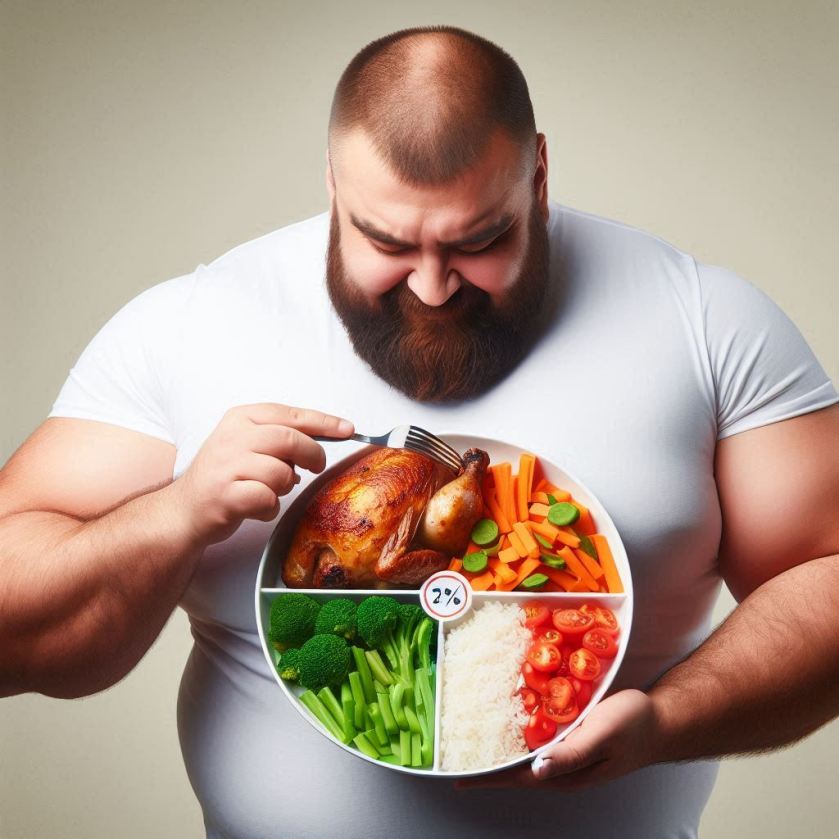
Careful with the Carbs!  –  your plate should only be ¼ carbs.  Whole grains are good for your heart, but those yams, potatoes and corn are high in starch and not so friendly to the fat burning process. You can still have them, but you need to be careful on the portion. 

Go heavy on your fruits and veggies – These are going to be the bulk of your plate.  Try to avoid the canned variety and stick with fresh if possible.  There are many guides on the internet that can help you determine the portion sizes of fresh produce.

Avoid processed foods – do your best.  Fried food is not good for us no matter how yummy it tastes!  Fast food is quite expensive and portion controlling fast food is a nightmare; Avoiding the fast-food places is a good practice but if you do go, most have websites that have serving sizes and calorie counts of all their products available.

Restaurants – everyone deserves a night out, but it doesn’t have to derail your progress.   Take container with a lid with you.   Before eating, take at minimum, half of your meal and stow it away for another meal later.    It is not against the rules unless you go to a buffet.  Don’t do that at a buffet, they will charge you for that.

Meal Prep – some people like to prep for a week. Others are time constrained and prepping for a week of meals is out of the question.   When you make your evening meal, make enough to save for a meal for the following day.    Have a to-go container on your counter and as you are portioning out your plate, portion out a meal into the container as well.   Stick it in the refrigerator and in the morning, it is ready for you to grab and take to work for your mid-day meal.   No extra work involved.

Honestly, you’ll cheat somedays.  You’ll throw your hands in the air and just binge like there ‘s no tomorrow, but I promise, you won’t feel good.   You will for the moment, but your body will let you know that it doesn’t like it.   

Like Intermittent Fasting, portion control is a lifestyle change and it will take time to adjust and form the new habit.   Don’t be hard on yourself if you fall now and then.  Just get back up and keep trying. 

Leave a comment

Posted in Encouragement/Motivation, intermittent-fasting

Why I’m doing the Intermittent Fast

                 I didn’t begin my journey with Intermittent Fasting on a whim.   I had heard about it years ago and brushed it off as an impossibility for myself.   Go without food for hours at a time? The very thought was daunting! 

                Fast Forward to the year coming out of the pandemic.   Many of us emerged a little heavier than when we went in.  Mercifully, I had maintained my svelte 300 lbs. of course it wavered between 290 and 300 but let’s call it what it is, shall we?   I looked no better, I looked no worse, but I certainly felt worse.   Lugging around that much weight can be very tiresome.    Imagine my skepticism when I started hearing about the drug for diabetes and how it was helping people lose weight.  Then they introduced a Semaglutide targeted for people who were obese and had health conditions such as high blood pressure and dangers of being diabetic.  Bonus!  I fit those categories!  My doctor didn’t even hesitate when I asked if I could give it a try, just typed up the prescription on his tablet and voila!  

                 Apparently, I wasn’t the only one reading the news.   There was, and possibly still is, a huge shortage for the first dose of the shot.   I waited a year and never did get it.   My prescription is still sitting in my cart as “pending” for my pharmacy last time I checked.   

After that initial first few months I started listening to my brother and how he was having success with his Intermittent Fasting.   I chose to try portion control and walking 10,000 steps a day.   He lost 2-3 pounds a week, I lost track of the number of times I felt disappointment when the scale wouldn’t move for me.    My brother encouraged me to try his method, rather than wait on a “miracle drug” that might only work for a short time, after all, there had been reports that many had plateaued while using it.   He said, “Why are you waiting, just forget the drugs and try this. If it doesn’t work, then you can do your own thing.” 

I must admit, he was convincing.  He was giving me an out if I needed it and all he was asking is that I give the fasting a fair shot.    That was last September.   

I began my journey with hesitance at 295 lbs.

It is now July; I am still on the journey, and it has become more of a habit now.   When I weighed in this morning, I was at 223.4 lbs.  

71.6 lbs. in ten months.  

                 Originally my goal weight was 175 lbs., however after doing some research, I may drop that down to 165 lbs. as that is more ideal for my height and body structure.

                 I have exactly one year to accomplish this.  At the end of that year, I intend on taking a cruise with my family.   In my head I am calling it my “Victory Celebration Cruise” to celebrate how far this journey has taken me.  

                 I know I can do this!  

Leave a comment

Posted in intermittent-fasting

Quick Guide on Intermittent Fasting

The benefits of Intermittent Fasting are numerous.  It promotes weight loss, heart health, reduces inflammation, improves brain health and memory, boosts energy levels,  helps with high blood pressure, lowers cholesterol and many other wonderful things.   

I began Intermittent Fasting because of the benefits of the weight loss.   I had tried Keto, fad diets, portion control and calorie counting.  I have a lifetime of attempts that were only minorly successful before I fell back to my old habits.  

My first step was to educate myself.   Jumping right in and starving myself for hours at a time was not an idea that was welcoming, I needed to know more.   I talked to my brother who had been practicing Intermittent Fasting for several months.  He directed me to helpful TikTok sites and YouTube Channels by saying  “Just search Intermittent Fasting”  start watching and learning.  He also recommended getting a book if I preferred the old school way of doing things.   

I followed his directions and I did get a book.    “Intermittent Fasting for Women Over 50”  written by Nancy Vassallo

 (https://www.amazon.com/dp/B0B4H2CCCJ?psc=1&ref=ppx_yo2ov_dt_b_product_details)

The basic idea is there are 3 types of Intermittent Fasting.

Time-Restricted Feeding –  you eat within a certain period of time – generally within a 4-12 hour window and then fast the remainder of the day. 

Alternate Day Fasting – you fast one day and then eat regularly the next day.  

Periodic Fasting – this one involves extended fasting periods that occur periodically.  For example, fasting twice a week or once a month.    

I had a lot of weight to lose so I chose to use the Time-Restricted Feeding method.  

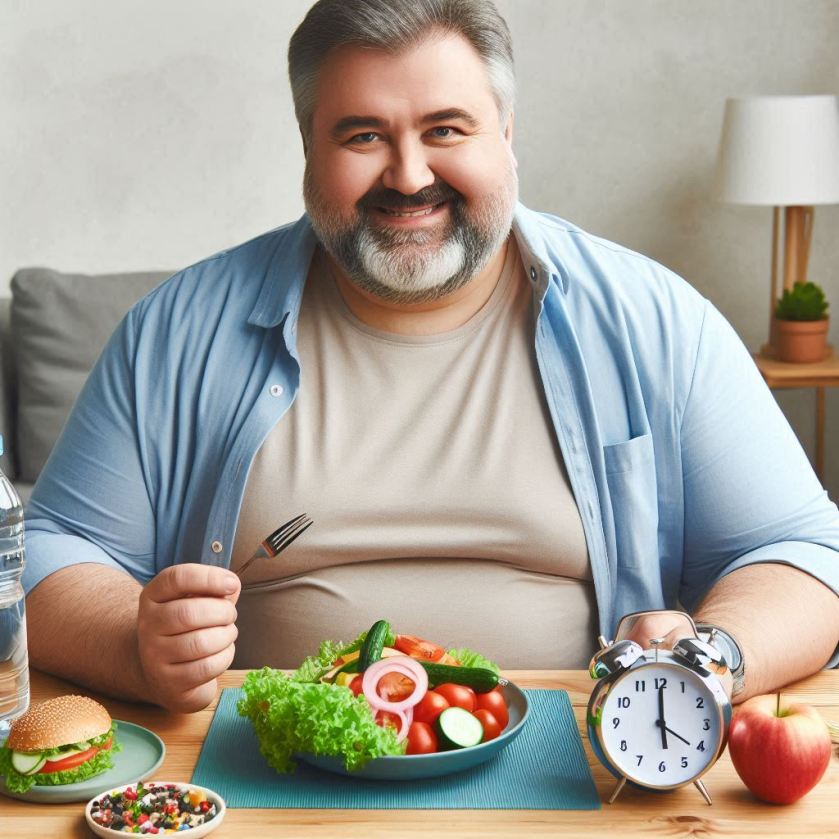
One of the more popular styles of this method is referred to as the 16/8.   You fast for 16 hours and have an eating window of 8 hours.  

Popular 16/8 time windows include:

  • 7 a.m. to 3 p.m.
  • 9 a.m. to 5 p.m.
  • 12 p.m. to 8 p.m.
  • 2 p.m. to 10 p.m.

You may repeat this cycle as often as you wish, I have chosen to practice with vigor at least six days a week, giving myself one day to “splurge” a little.  

I begin my fast at 8pm.   This accomplishes two things.   First, it helps me avoid the late night snack. I am not allowed to eat after that time therefore if I feel snackish after eight, I just drink a glass of water.  Secondly, I will sleep for a good portion of the fast.   This means I will not be burning major calories or be surrounded by temptations for those hours.  

When I am awake and still in the fast, I cannot consume calories, but I can drink black coffee, sugar free tea ( no sweeteners ) and water.   I struggled with the black coffee to begin with, but now its like second nature to me.   I’m not a huge fan of plain water so I drink the flavored seltzers, making sure there are no calories in them.

When my fast is over, I still watch my portions, but I also choose healthier selections of food.  I avoid processed foods and fast foods 98% of the time.   Admittedly, I do falter sometimes.   I will have a fairly light lunch, however some prefer a heavier lunch and lighter dinner.  The preference is your own.   You must do what works for you.

Many times in the afternoon you might want a little snack which is fine, however it should be something light and small.  A cheeseburger is not a snack.    You are human, you will stumble and a cookie will find its way to you.  Its totally ok, just don’t let it become a daily habit.

This is what is recommended for the most rounded diet :  ( Good luck, we know you are fighting habits but do your best to make this more and more part of your daily intake ) 

  • Fruits: apples, bananas, berries, oranges, peaches, pears, tomatoes, etc.
  • Veggies: broccoli, Brussels sprouts, cauliflower, cucumbers, leafy greens, etc.
  • Whole grains: barley, buckwheat, quinoa, rice, oats, etc.
  • Healthy fats: olive oil and avocados
  • Protein sources: eggs, fish, legumes, meat, poultry, nuts, seeds, etc.

Try and give up soda.   Its just pure sugar and much too expensive these days!   Spend that money on some fruit and veggies instead.  

Limit the processed foods ( I know I said this ) like packaged snacks, deep-fried, sugary drinks, and most frozen meals.

Treat yourself to learning some healthy recipes.  

The biggest and best thing you can do for yourself is establish a “fasting buddy” to talk to. Someone going through the same thing you are.  You can bounce ideas off one another and reach out when you’re feeling discouraged, and encourage one another on your journey.

One last thing.   Many people tell me the reason they don’t do this is because they do not have time with their schedules.   The beauty of the Intermittent Fasting is that you can tailor it to your schedule and do what works for you.  

You can do this!  

Posted in Emotional Well-Being, intermittent-fasting

The Cons of Intermittent Fasting

When you hear about Intermittent Fasting, you’ll be presented with the benefits. The weight loss, the heart healthy and lower cholesterol to name a few. However, for many on the fence, there are some hard and fast doubts of their own success and for good reason. The fears are just another fancy way of saying “Cons” when it comes to Intermittent Fasting.

Increased Feelings of hunger – absolutely 100% true. Your brain is hardwired to eat at certain times of the day and suddenly you are switching things up. There is going to be an argument about it. I once read somewhere that when you are super hungry, drink a glass of water first. If you are still hungry after drinking the water, drink another glass. If you are still hungry then you are legit hungry and its not dehydration driving your hunger pangs. With intermittent fasting though, keep drinking the water until the fast is over, you are going to have to get into that mind set.

Heightened Irritability / worsened mood – 100% true… the first week or two. Again, you are challenging years of habits and there is going to be some feedback. Women are especially familiar with the way heightened irritability works thanks to our experiences with the monthly raging hormones. You’ll be ok, this does not last. The good news is that once you get in your groove and get over that hump, your mood starts to improve greatly.

Increased thoughts about food – this just makes sense. You are knowingly depriving yourself. Just like on a “diet” you feel like you are sacrificing so you feel like all you think about is food! This comes and goes. Some days you are in great shape, some days you are struggling. The important thing is to hold fast to your goal and wait for the fast to end.

Fatigue – only in the beginning. While your body adjusts to the new pattern, its going to want to rest. As the scale slowly starts dropping the numbers, you’ll notice there is a new spring in your step and energy to keep moving where before you just wanted to sit and scroll through social media posts wishing you had more get up and go.

Feeling out of control around food/ overeating during eating windows – this one is going to be something you will always have to consciously be aware of. When you do eat, concentrate on healthy choices, avoid the fast food and processed foods. During your eating window, prep your meals, make a game plan for when you are out around other people and their food. There will be times that you will give in, just take 1/4 of what you would have done in the past. Take a container with you to restaurants and before you take a bite, put 1/2 of the meal in your to-go container so you don’t overeat ( restaurants are very generous with portions ). And above all, keep your Fasting Buddy on speed-dial/text so you can let them know you are feeling vulnerable. A good Fasting Buddy will talk you off the ledge and help you make a smart choice, reminding you of your ultimate goal.

All of these “cons” are perfectly normal, and if you choose to venture into Intermittent Fasting, you need to understand that the cons will not magically go away. They will hang around and poke up when you least expect.

Despite all the cons, the benefits and results are simply amazing. The feeling of accomplishment, when you see the scale finally begin to move after years of going the wrong way, is enough to outweigh any fear you might have.