
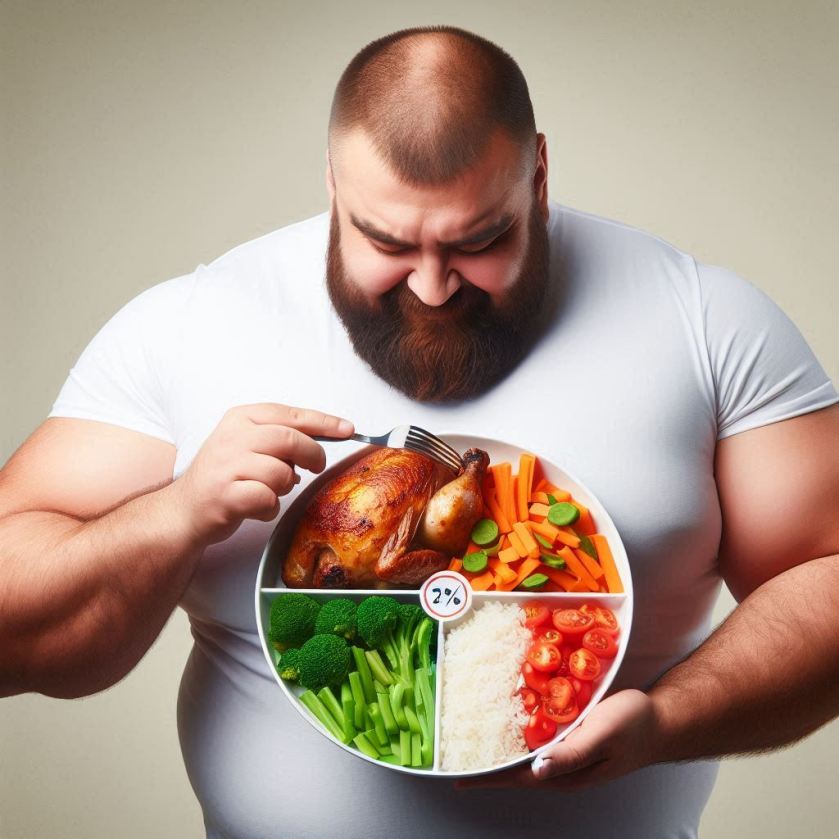
For the past 2 years I’ve been adamantly working on my perception of how much food is on my plate and how hungry I really am. I was raised in a “Clean your plate” home and this has been a troublesome journey to say the least. I learned quickly that my plates were too big and so I thought I wasn’t putting enough food on them. I loved the plates, but the fact is I couldn’t make myself take smaller portions because it seemed like there was too much “white” space on my plate.
I did some research and then made some changes in my life. Here are a few of the things I discovered:
Use smaller dinnerware – dessert plates will work but if you want a little more assistance, these portion control plates on Amazon.com work great! Portion Control
Don’t eat directly from the package – it is far too easy to lose track of how much you have eaten. Instead look at the suggested serving size and take the time to measure it out and then put that package away.
Use a Food Diary – there are literally dozens of apps and websites available that offer the ability to log your food intake. MyFitnessPal.com is a popular one amidst my circle of friends. Logging your daily intake of food gives you a visual of how much you are truly eating, and it helps you stop the “oh just one won’t hurt” kind of mentality.
Understand your serving sizes – a serving size is what is listed on the package label; a portion is what you put on your plate. Serving sizes vary from product to product and they have grown larger in the past few decades.
Use a portion size guide – there are many out there. You can use the hand method where your portions are compared to how much you hold in your hand; or use one that compares the portions to different objects. I prefer the object method for myself. I’ve printed one guide out WebMD Portion Size Guide and pinned it to my kitchen cabinet so its easy to see as I’m preparing my meals.
Careful with the Carbs! – your plate should only be ¼ carbs. Whole grains are good for your heart, but those yams, potatoes and corn are high in starch and not so friendly to the fat burning process. You can still have them, but you need to be careful on the portion.
Go heavy on your fruits and veggies – These are going to be the bulk of your plate. Try to avoid the canned variety and stick with fresh if possible. There are many guides on the internet that can help you determine the portion sizes of fresh produce.
Avoid processed foods – do your best. Fried food is not good for us no matter how yummy it tastes! Fast food is quite expensive and portion controlling fast food is a nightmare; Avoiding the fast-food places is a good practice but if you do go, most have websites that have serving sizes and calorie counts of all their products available.
Restaurants – everyone deserves a night out, but it doesn’t have to derail your progress. Take container with a lid with you. Before eating, take at minimum, half of your meal and stow it away for another meal later. It is not against the rules unless you go to a buffet. Don’t do that at a buffet, they will charge you for that.
Meal Prep – some people like to prep for a week. Others are time constrained and prepping for a week of meals is out of the question. When you make your evening meal, make enough to save for a meal for the following day. Have a to-go container on your counter and as you are portioning out your plate, portion out a meal into the container as well. Stick it in the refrigerator and in the morning, it is ready for you to grab and take to work for your mid-day meal. No extra work involved.
Honestly, you’ll cheat somedays. You’ll throw your hands in the air and just binge like there ‘s no tomorrow, but I promise, you won’t feel good. You will for the moment, but your body will let you know that it doesn’t like it.
Like Intermittent Fasting, portion control is a lifestyle change and it will take time to adjust and form the new habit. Don’t be hard on yourself if you fall now and then. Just get back up and keep trying.


Leave a comment